Recently, CanSemi Technology Inc. was officially listed on the ChiNext Market of the Shenzhen Stock Exchange, marking the culmination of nearly a decade of patient-capital investment by Wanlian Securities. In 2017, Wanlian Tianze Capital Investment Co., Ltd., a subsidiary of Wanlian Securities, took the lead in establishing the Yuxin Fund, which became CanSemi's largest shareholder and played a pivotal role in bringing the company to Guangzhou. CanSemi has since achieved several significant milestones: it is the first company to be listed under the third set of listing criteria introduced for the ChiNext Market, the first wafer fabrication company to be listed under these criteria, and the first 12-inch wafer manufacturer in South China to achieve mass production.
Behind the company hailed as "Guangzhou's First Chip" lies a decade of sustained support from a state-owned securities firm. As China advances the development of new quality productive forces, financial institutions such as Wanlian Securities are leveraging patient capital to help companies navigate the entire innovation cycle, serving as a vital link between the financial sector and technological innovation.
As the only municipal state-owned securities firm in Guangzhou, Wanlian Securities, through its subsidiaries Wanlian Tianze and Wanlian Guangsheng, had invested in a total of 158 equity projects as of the end of June this year, with aggregate investments exceeding RMB 5.3 billion. These investments included four global unicorns, 11 listed companies and 42 national-level SRDI (Specialized, Refined, Distinctive and Innovative) "Little Giant" enterprises. Of these 158 projects, 88 were based in Guangzhou, providing strong support for the development of Guangzhou's "12218" modern industrial system and helping upgrade and strengthen industrial clusters across the Guangdong-Hong Kong-Macao Greater Bay Area.
CanSemi is a prime example of how patient capital is being deployed. From its establishment in Guangzhou in 2017 to its listing in October 2026, long-term capital has helped Guangdong achieve a breakthrough in advanced wafer manufacturing, taking the industry from zero to one. In January this year, the company also launched its Phase IV project, with a total investment of RMB 25.2 billion, to develop a silicon photonics production line featuring internationally advanced processes. Following CanSemi's listing, upstream and downstream companies in chip design, semiconductor equipment and materials have accelerated their expansion into Guangzhou. The multiplier effect of attracting a leading enterprise, bringing in an entire industrial chain and fostering a thriving industrial ecosystem is now becoming increasingly evident.
Similar long-term support has also been extended to companies operating in other critical areas of the technology value chain. Wanlian Securities has supported ASENSING, a company specialising in positioning and attitude sensing technologies, for six years. The company submitted its listing application to the Hong Kong Stock Exchange in January 2026. Wanlian Securities has also made successive investments in Yunzhou Biosciences, a gene delivery company, in 2022, 2025 and 2026, helping it grow into Guangzhou's first global biotechnology unicorn. Its proprietary MiniVec(TM) plasmid system has already been granted a European patent.
In Wanlian Securities' view, capital injection is merely the starting point. Drawing on a range of financial instruments, including equity investment, bond financing and IPO advisory services, the company provides businesses with support throughout their entire life cycles. At the same time, it has built a fund portfolio comprising three funds, each at the RMB 10 billion level, breaking down barriers between regions, industries, talent and capital. This enables the company to move beyond supporting individual businesses towards systematically fostering entire industrial ecosystems. Over the past two years, Wanlian Securities has also adopted an investment-led approach to attracting businesses to Guangzhou, helping high-quality projects such as Lvju Technology and Lingdong Technology establish a presence in the city. In the first half of 2026 alone, the company invested in 21 additional technology and innovation projects, with new investments totalling RMB 377 million.
CanSemi's successful listing marks a tangible outcome of patient capital's long-term commitment. Wanlian Securities believes that, as the fundamental institutions underpinning China's capital markets continue to improve and the proportion of long-term capital increases, a more well-regulated, transparent, open, dynamic and resilient capital market will provide hard-tech companies with more predictable exit channels and a more stable financing environment. China's capital markets are entering a new stage of high-quality development and increasingly serving as a key engine for the high-quality economic development.
Chongqing International Talent Exchange Conference and the Fourth Chongqing Three Gorges Talent Festival
The Chongqing International Talent Exchange Conference and the Fourth Chongqing Three Gorges Talent Festival was held on 7 and 8 November 2026 in Wanzhou District, Chongqing. Under the theme "Bringing Talent to the Greater Three Gorges Region, Boosting Key Industries and Supporting High-quality Development", this year's festival followed a "1+15" format, featuring an opening ceremony and 15 specialised events. It aimed to attract more than 700 talented professionals and secure agreements for at least 10 projects.
The Three Gorges Talent Festival has been held for three consecutive years. To date, 122 talent-related projects have been launched, 292 research and innovation outcomes have been commercialised, and more than 50,000 talented professionals have been recruited, including over 10,000 settling in Wanzhou.
At the opening ceremony, several advanced innovation platforms were officially inaugurated. These included the Global Centre for Precision Prevention, supported by the Franz Kraus Nobel Prize Workstation, the first Nobel Prize laureate workstation in Chongqing; the Belarus node of the Belt and Road International Technology Transfer Centre for the Chengdu-Chongqing region; and branch centres of four major laboratories established in Chongqing. Experts and scholars from Belarus, Hungary and other countries also attended the China (Chongqing)-Belarus Talent Exchange Conference on Scientific and Technological Innovation Cooperation.
The festival released a catalogue of talent needs covering high-level professionals and urgently needed and in-demand specialists, as well as a series of open calls inviting experts to tackle key scientific and technological challenges. Six industry forums focused on cutting-edge fields, including advanced materials, green and low-carbon development, digital and intelligent healthcare, modern logistics, ecological and environmental protection, and agricultural machinery for hilly and mountainous areas, aiming at bringing research outcomes closer to industrial application.
Wanzhou is a major urban centre with an urban population of over one million and an urban area of more than 100 square kilometres. It is the only district outside Chongqing's main urban area with a GDP exceeding RMB 100 billion. With a national-level economic and technological development zone, a comprehensive bonded zone, nearly 200 nationally recognised high-tech enterprises, eight higher education institutions and a human resource pool of nearly 220,000, Wanzhou is emerging as a gateway for talents seeking opportunities in the Three Gorges region.
Hangzhou Future Sci-Tech City Management Committee
The 2026 World Internet Conference Wuzhen Summit ran from November 2 to 5 in Wuzhen, Zhejiang Province. Centered on the theme "Open Source and Openness, Joint Contribution and Shared Benefits - Jointly Building a Community with a Shared Future in Cyberspace," the Light of Internet Expo gathered more than 670 enterprises from 54 countries and regions around the globe. The expo put on public display over 1,000 cutting-edge technological achievements, including more than 20 products making their global debut for the very first time.
A strong delegation of innovative firms from Hangzhou Future Sci-Tech City took part in the expo, unveiling an impressive slate of innovations either for global launch or first public showing. Highlights on show included Alibaba's Qwen3.8-Max omni-modal large model, the SG100 industrial reconfigurable dexterous hand developed by Hangzhou Heiman Technology, and Moxin Technology's MoWorld 2.0, an advanced 4D world model. Covering computing infrastructure, general large models, embodied intelligence and brain-computer interfaces, enterprises from the zone presented the full AI industrial chain, demonstrating Hangzhou's solid technological strength and vibrant innovation momentum as a national strategic sci-tech innovation hub.
Launched in Yuhang District back in 2011, the Sci-Tech City recorded a mere RMB 20.3 billion in combined revenue of enterprises that met statistical reporting requirements at its founding. At that time, farmland still lined both sides of Wenyi West Road. Today, the aggregate revenue of qualified enterprises within the zone has hit RMB 1.2 trillion - over 60 times its initial level, with a compound annual growth rate staying above 30%.
This remarkable leap did not happen by chance. It rests firmly on a well-developed, self-reinforcing innovation ecosystem. The Sci-Tech City is now home to 29 listed firms and has attracted and nurtured more than 7,400 high-caliber talents from home and abroad. Scantech, founded by a group of overseas PhDs and senior technical experts who settled in Haichuang Park in 2015, gradually broke long-standing foreign monopolies and secured its STAR Market listing in January 2025. Zhiyun Health, another enterprise based in the same building, was listed on the Hong Kong Stock Exchange in 2022, serving as a strong testament to the ecosystem's outstanding capacity to nurture promising startups.
The Sci-Tech City delivers full-cycle talent services covering recruitment, development and retention. It operates the Doctoral Innovation and Entrepreneurship Academy and has introduced forward-looking schemes such as "industry professors" and "enterprise-recognized talents", alongside joint postgraduate training programs with top universities. The pool of young talents aged under 35 has expanded by over 8% annually in the past three years.
Backed by world-class research infrastructure, it hosts four provincial laboratories including Zhejiang Lab, the Hangzhou Hypergravity Experimental Facility, more than 200 R&D institutions at or above provincial level, multiple proof-of-concept centers and a cluster of professional tech incubators. Together with Zhejiang Lab, it is developing the Haina Data Hub Innovation Center to turn promising laboratory breakthroughs into commercially viable solutions. Between 2013 and 2025, 1,055 talent-founded projects were signed here; 716 remain in stable operation, representing a startup success rate of 67.76%. As Scantech Chairman Wang Jiangfeng notes, supportive policies, reliable incubation services and a vibrant business environment are key draws for innovators choosing to build their businesses here.
The Sci-Tech City moves early to seize opportunities in high-potential emerging sectors. Back in 2018, when brain-computer interfaces remained a little-known niche field, its investment promotion team traveled all the way to Boston and successfully brought BrainCo to set up local operations. BrainCo has since grown into a globally recognized BCI unicorn and one of Hangzhou's celebrated "Six Little Dragons". In the first half of 2026 alone, the Sci-Tech City secured 86 major industrial projects worth a total RMB 14.456 billion.
Its service team actively identifies unspoken corporate needs in daily communication, illustrated by a case where staff coordinated rapidly for Hangzhou Kangji Weijing Medical Robot to accelerate policy funding disbursement. Rejecting generic, one-size-fits-all support, the management committee carries out regular enterprise visits and runs the "Wednesday Face-to-Face" government-business dialogue mechanism. On May 11, 2026, it issued the Twelve Measures for an All-Around Friendly Innovation Ecosystem, formalizing its service philosophy into a stable institutional framework.
Financing support has also been strengthened through an integrated model of investment, lending, subsidies and guarantees. In 2025, it rolled out Zhejiang's first insurance products tailored for AI commercialization and biomedical core equipment. To date, 18 IP securitization products have raised RMB 1.792 billion for 189 local tech firms, ranking first in Zhejiang in both issuance volume and financing scale and converting intangible intellectual property into tangible development assets.
Venues including a city exhibition hall, BCI demonstration center and Lingjing Immersive Space help showcase cutting-edge products from firms such as BrainCo and Rokid. Major public facilities - the Future Sci-Tech Cultural Center, International Performing Arts Center and International Sports Center - are under accelerated construction. Quality schools and new high-speed rail lines connected to Hangzhou West Station further enhance the zone's livability and regional accessibility.
Going forward, the Sci-Tech City will continue refining its future-oriented industrial system, piloting reforms for talent development, advancing original innovation and commercial translation, driving AI-enabled industrial upgrading, and delivering more specialized services to sustain high-quality enterprise growth.
In early winter, the historical Hedong region offers beautiful scenery. Many visitors are choosing to travel outside peak periods and heading to the Yuncheng Guan Gong Hometown Cultural Tourism Scenic Area to explore its magnificent ancient architecture and enjoy the unique blend of cultural heritage and natural landscapes.
Located in Haizhou Town, Yanhu District, Yuncheng, in the Yellow River Golden Triangle region where Shanxi, Shaanxi and Henan provinces meet, the Yuncheng Guan Gong Hometown Cultural Tourism Scenic Area covers a total area of 3.03 square kilometers. It comprises two main sections: the Guan Yu Cultural Experience Zone and the ecological recreation areas around the Wulongyu River and Nueyanchi (Female Salt Pond). The Haizhou Guandi Temple within the scenic area is a major historical and cultural site protected at the national level, while the scenic area itself is a National 4A-level Tourist Attraction. It also serves as a Cross-Strait Exchange Base and a China Overseas Chinese International Cultural Exchange Base. The scenic area is currently seeking designation as a National 5A-level Tourist Attraction.
At the heart of the scenic area is a magnificent palace-style architectural complex dedicated to Guan Yu, whose origins date back to the Sui Dynasty. The complex features a symmetrical central-axis layout, with a front court and rear residential quarters. Its imposing historic buildings include Duanmen Gate, Chongning Hall and Chunqiu Tower. It is regarded as the earliest-established, largest, highest-ranking in architectural design and best-preserved architectural complex dedicated to Guan Yu in China. The Wulongyu River flows through the scenic area, while Nueyanchi offers tranquil natural scenery. Together, the historic sites and surrounding landscapes create a distinctive setting where cultural heritage and nature exist in harmony.
As a cradle of Guan Gong culture, the scenic area embodies the enduring values of loyalty, righteousness, benevolence and courage, with its cultural influence extending both at home and abroad. He Jinyang, general manager of the scenic area, said that the scenic area is committed to preserving and passing on this cultural heritage in innovative ways, while promoting deeper integration of cultural relics, historic architecture, traditional folk customs and beliefs, and ecological tourism. It aims to develop into a world-class destination for experiencing Guan Gong culture.
From a beloved dolphin to a “Great “Teacher”—the preserved body of Sinbad, the dolphin who made headlines 52 years ago, continues to inspire as an anatomical teaching specimen and a historical record of veterinary medicine in Thailand.
Every preserved animal has a story. The bottlenose dolphin named “Sinbad,” now housed in the Veterinary Anatomy Museum on the third floor of the 60th Anniversary Building, Faculty of Veterinary Science, Chulalongkorn University, is no exception. Fifty-two years ago, Sinbad was the darling of countless Thai children who dreamed of seeing a live dolphin with their own eyes.
News of the “Flipper Show” troupe from West Germany, which staged Thailand’s first dolphin show in 1974.
At the time, the lovable dolphin from the film Flipper had inspired children everywhere to dream of seeing a live dolphin. That dream came true for Thai children in 1974, when the “Flipper Show” troupe from West Germany staged the country’s first dolphin show at Saranrom Palace. The stars were two bottlenose dolphins, Sinbad and Rory, who swam through hoops, played with balls, responded to their trainers’ signals, and leaped above the water. The pair quickly became “superstars,” with news reports stating that more than 4,000 people attended the show in a single day.
News of Sinbad’s death made the front page of every newspaper and was reported by every television channel at the time.
Before long, however, the performances that had brought laughter and smiles turned into a tragic story. Sinbad, the male dolphin, died unexpectedly on February 11, 1974. His death made the front page of every newspaper and was reported by every television channel at the time.
Mr. Apivat Soonthornnond, an artist, nature and environmental conservationist.
“The television news footage of Sinbad lying ill on a white hospital bed while receiving treatment has stayed with me since childhood. It was heartbreaking and left such a deep impression on me. The image was so real and vivid that I can still remember it clearly to this day,” recalled Apivat Soonthornnond, an artist and environmental conservationist who was only 10 years old at the time.” – Mr. Apivat Soonthornnond
More than half a century later, Sinbad’s story remained etched in Apivat’s memory. He researched the dolphin’s life through old newspapers preserved at the National Library of Thailand and was thrilled to discover that Sinbad’s body had been carefully preserved as a taxidermy specimen. Apivat then contacted Asst. Prof. Pawana Chuesiri, curator of the Veterinary Anatomy Museum, Department of Anatomy, Faculty of Veterinary Science, Chulalongkorn University, to retrace Sinbad’s story and document a chapter of history that had nearly faded with time. Their efforts have brought Sinbad’s story back to life and preserved its historical, academic, and conservation value for future generations.
Asst. Prof. Pawana Chuesiri Curator of the Veterinary Anatomy Museum, Department of Anatomy, Faculty of Veterinary Science, Chulalongkorn University
Determining the Cause of Death: A Crucial Task for Chula Veterinarians
Upon learning of Sinbad’s death, a team of veterinarians from Chulalongkorn University’s Faculty of Veterinary Science came together to conduct a necropsy and determine the cause. The team was led by Prof. Dr. Lek Thanasukarn, Head of the Pathology Division. The examination brought together Chula veterinary specialists from several fields. The pathology unit performed the necropsy and examined the organs for abnormalities and lesions, while the microbiology unit investigated the presence of pathogens in the body.
The necropsy was conducted primarily by Prof. Lek Thanasukarn, D.V.M., and Assoc. Prof. Therd Thepprateep, D.V.M., with Assoc. Prof. Kriangsak Poonsuk, D.V.M., preparing the equipment, assisting with the procedure, and closely observing the examination.
Associate Professor Kriangsak Poonsuk, D.V.M. Former lecturer in the Microbiology Unit, Department of Pathology, Faculty of Veterinary Science, Chulalongkorn University
“The necropsy revealed clear abnormalities in the lungs, including pneumonia, pulmonary edema, and the presence of pus. The team then collected lung samples for culture to determine the exact cause. Tests detected the bacterium Staphylococcus aureus, leading to the conclusion that Sinbad died of acute pneumonia,” recalled Prof. Dr. Kriangsak Poonsuk, a former lecturer in the Microbiology Unit, Department of Pathology, Faculty of Veterinary Science, Chulalongkorn University.
Historical records showed that Sinbad had already been ill and weak while in the Philippines, where he had performed in dolphin shows, before traveling to Thailand. The necropsy team therefore linked his illness to a condition known in veterinary medicine as shipping fever, which can occur when an animal becomes stressed and weakened during long-distance transportation.
The necropsy findings were highly significant for Thailand. They not only solved the mystery surrounding the famous dolphin’s death, enabling the show’s organizer to successfully file an insurance claim worth 10 million baht, but also marked the beginning of aquatic animal research at Chulalongkorn University’s Faculty of Veterinary Science.
From Dolphin Superstar to “Great Teacher”
The Thai public took such a strong interest in Sinbad’s necropsy that the Faculty of Veterinary Science arranged for the procedure to be broadcast by closed-circuit television to an area outside the building, allowing students and interested members of the public to observe and learn.
“Sinbad was all over the news at the time, but as students, we had never had the opportunity to see him live. When we learned that he had died and that our professors had brought his body to the faculty for a necropsy, they invited us to come and observe. We hurried over and crowded around the necropsy table, excited and eager to learn.”
Manoch Fueangfuphong, D.V.M Former two-term member of the Veterinary Council of Thailand’s Executive Board and Former President of the Chulalongkorn University Veterinary Alumni Association
“Fifty years ago, the veterinary curriculum focused primarily on dogs and general livestock. None of the veterinarians had ever studied aquatic animals or dolphins, so Sinbad was the first case of its kind for all of us. Our professors taught us throughout the necropsy, gradually showing us the dolphin’s physiology and allowing us to see the infected lungs firsthand. That day, they told us to be proud that we had the opportunity to encounter the Sinbad case once in our lives.”
“Sinbad”: A Turning Point in Aquatic Animal Research
Under the law at the time, Sinbad’s remains should have been cremated after the examination. However, because the body was neither reclaimed nor formally donated, Assoc. Prof. Payatra Tantileepikorn, D.V.M., former Head of the Department of Anatomy, Faculty of Veterinary Science, Chulalongkorn University, decided to preserve the skeleton and prepare the body as a taxidermy specimen for educational purposes.
That decision transformed Sinbad into more than a cherished memory for a generation. His preserved body became both a historical record and a source of knowledge that helped pave the way for aquatic animal studies at Chula’s Faculty of Veterinary Science.
“Sinbad’s death was a major impetus for the necropsy team to begin seriously investigating the diseases and environments of marine animals and to continue advancing knowledge of marine animal diseases.” – Assoc. Prof. Dr. Kriangsak
In 1975, Chula’s Faculty of Veterinary Science and the Department of Marine Science, Faculty of Science, jointly surveyed natural resources and aquatic life in the Andaman Sea and the upper Gulf of Thailand. This marked the beginning of systematic and continuing research into the physiology and diseases of marine animals, eventually leading to the formal establishment of the Aquatic Animal Disease Research Center.
Since then, Chula’s aquatic animal research has continued to expand, covering the causes of diseases in aquatic animals, the control of disease outbreaks in freshwater fish, and the environmental and toxicological effects associated with aquaculture.
Sinbad’s Preserved Body: A Legacy Worth Protecting
The 1974 examination of Sinbad was a pioneering dolphin necropsy conducted to determine the cause of death in Thailand. It also broadened the perceived role of veterinarians beyond treating dogs and cats in clinics, said Asst. Prof. Dr. Pawana.
“Sinbad’s preserved body has a story every bit as remarkable as his life. It was once nearly discarded after being damaged when the department relocated. One of the pectoral fins broke, causing the sawdust stuffing to spill out. Recognizing its educational value, faculty members and staff from the department worked together to repair it using papier-mâché techniques. They restored and repainted the specimen, thereby preserving Sinbad for future generations.”
Sinbad’s taxidermy specimen and skeleton at the Veterinary Anatomy Museum, located on the third floor of the 60th Anniversary Building, Faculty of Veterinary Science, Chulalongkorn University.
More than half a century after captivating the public, Sinbad continues to inspire in a different way—as an anatomical teaching specimen and a historical record of veterinary medicine in Thailand.
Sinbad’s preserved body is part of the history of Thai veterinary medicine. His story reminds us that the loss of one life can sometimes mark the beginning of knowledge that will help care for countless others in the future.
See Sinbad’s taxidermy specimen and other fascinating animals—including a penguin, hammerhead shark, manta ray, and Amazonian vampire fish—at the Veterinary Anatomy Museum on the third floor of the 60th Anniversary Building, Faculty of Veterinary Science, Chulalongkorn University. For further information, call +66 2218 9658. Visitors are requested to contact the Department of Anatomy during office hours to arrange their visit in advance.
Chulalongkorn University has been ranked Thailand’s No. 1 university for the 17th consecutive year (since 2009) in the newly released QS World University Rankings 2026. The university is ranked 221st in the world and places among the world’s Top 100 in two key indicators: Academic Reputation (89th) and Employment Outcomes (64th).
What if a weapon against some of the world’s most stubborn bacteria were hiding in the soil beneath our feet? Could these microscopic hunters help us confront antibiotic-resistant “superbugs” and bacterial diseases devastating shrimp? The answer may lie in understanding these astonishing viruses—and the hidden battles unfolding all around us.
Researchers at Chulalongkorn University are exploring an extraordinary class of viruses called jumbophages—giant bacteriophages that prey on bacteria. Among them are unusual “nucleus-forming” phages that build a protective compartment inside infected bacterial cells, creating a microscopic battlefield unlike anything seen in ordinary phage infections.
These remarkable viruses could open new possibilities for tackling antibiotic-resistant bacteria and diseases that threaten shrimp farming. From the ground beneath our trees to the tiniest arenas of microbial life, researchers are uncovering a hidden world where viruses hunt bacteria—and where new tools for fighting disease may be waiting.
Decoding Microbes, Designing Tomorrow’s Therapies
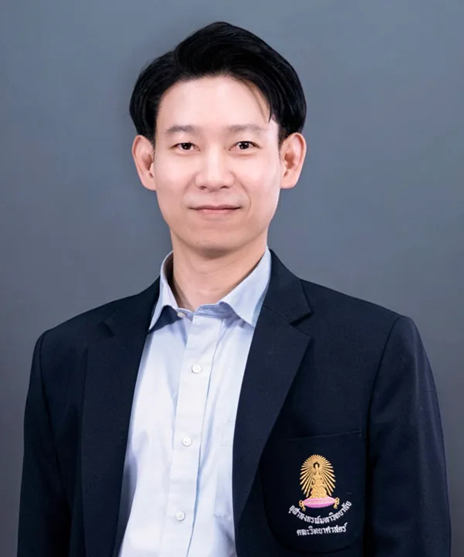
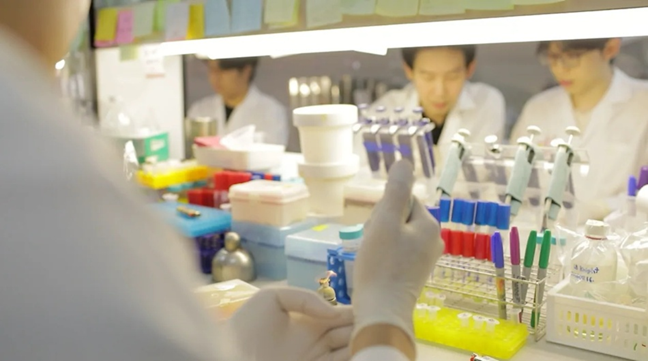
At Chulalongkorn University, Assoc. Prof. Dr. Vorrapon Chaikeeratisak of the Department of Biochemistry, Faculty of Science, has studied an unusual group of bacterial viruses known as nucleus-forming jumbophages. Since 2018, his laboratory, known as The Microbe Lab, focuses on three interconnected themes: bacteriophages, phage-derived antimicrobials, and antibiotic discovery.
Assoc. Prof. Dr. Vorrapon Chaikeeratisak Department of Biochemistry, Faculty of Science, Chulalongkorn University
“Our focus is on understanding how bacteriophages infect bacteria and how they can be used to target multidrug-resistant pathogens. We also develop bacterial cytological profiling methods to see what happens inside bacterial cells when they are exposed to antibiotics or phage-derived proteins. Ultimately, we want to understand how these treatments kill bacteria and uncover new ways to fight difficult-to-treat infections.”
Assoc. Prof. Vorrapon said the ultimate goal of this project is to support alternative ways to treat infections, tackling one of the world’s growing health threats – antimicrobial resistance. Within a decade, that vision has shown to become a reality. His research reveals a remarkable twist: nature’s microscopic predators might just be our best defense against harmful bacteria threatening human health, food supply and sustainable farming.
The Microbe Lab Focuses on three interconnected themes: bacteriophages, phage-derived antimicrobials, and antibiotic discovery.
Bacteriophages: Viruses That Hunt Bacteria
Bacteriophages, or simply phages, are viruses that infect bacteria. They attach to bacterial cells, inject their genetic material and take over the cell’s machinery to produce new phages. Eventually, the infected cell bursts, releasing the new viruses to infect other bacteria.
Phages come in an extraordinary range of shapes and sizes. Some are tiny, while others carry
Among the most unusual are nucleus-forming jumbophages.
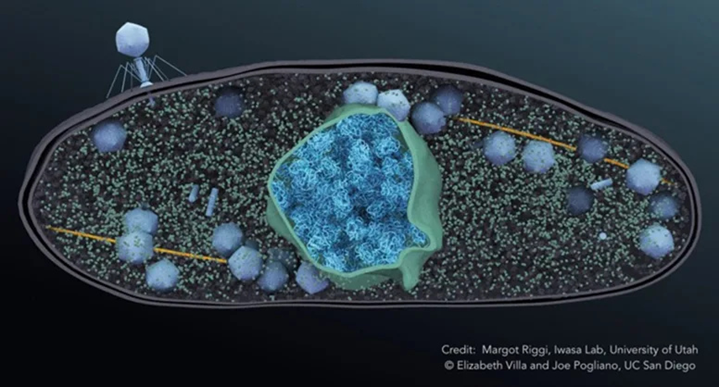
A giant phage infects a bacterium. A nucleus-like compartment (green) is formed to protect the newly synthesized phage genomes from bacterial defense systems. The capsids (gray) of the new phage travel along filaments called PhuZ (yellow) to be delivered to the nucleus where they dock in order to package phage DNA. Eventually, the bacterial cell lyses and the new phage emerge ready to infect new bacteria.
Assoc. Prof. Vorrapon first encountered these viruses during his postdoctoral research at the University of California San Diego, where he worked with Prof. Joe Pogliano, Department of Molecular Biology and Collaborative to Halt Antibiotic-Resistant Microbes (CHARM). What fascinated him was not simply their size, but their sophisticated strategy for surviving inside infected bacteria.
Prof. Joe Pogliano Department of Molecular Biology and Collaborative to Halt Antibiotic-Resistant Microbes (CHARM)
Building a Protective “Nucleus”
Unlike most phages, nucleus-forming jumbophages construct a protective protein shell around their DNA after infection. This compartment resembles a nucleus and separates the phage genome from many of the bacterium’s defense mechanisms. See video for more details: https://youtu.be/bnOwTeWjIkg
“Bacteria are anything but passive hosts; they possess sophisticated defenses that detect and eliminate foreign genetic material. By forming a protected nucleus-like compartment, phages create an additional layer of defense, enabling their genomes to replicate shielded from some of the host’s antiviral mechanisms.” Assoc. Prof. Vorrapon shared.
Understanding this unusual system could help researchers develop new strategies for controlling bacteria—including strains that have become resistant to conventional antibiotics.
Phage Therapy vs Superbug
Antimicrobial resistance (AMR) is one of the world’s growing health challenges. A 2024 Lancet Series on antimicrobial resistance study forecast since 2016 that 10 million people could die annually from AMR by 2050. In Thailand, the Second National Action Plan on AMR 2023-2027, revealed that AMR is attributed to 38,000 deaths annually, and the numbers will continue to rise if no immediate and efficient actions been in place.
The rising death statistics are caused by “Superbug”, a bacterium that has developed resistance to multiple antibiotics, making infections increasingly difficult to treat.
Phages offer a fundamentally different approach. Rather than using a chemical drug to kill bacteria, phage therapy harnesses viruses that naturally infect and destroy specific bacterial targets.
“The idea is straightforward: when antibiotics can no longer kill a specific bacterium, a naturally occurring phage that targets that bacterium may offer an alternative.” Assoc. Prof. Vorrapon explained.
But phage therapy is not simply a replacement for antibiotics. Phages are highly specific biological agents, and their effectiveness depends on selecting the right phage for the right bacterial strain. Their clinical use therefore requires careful testing, formulation and regulation.
The Churi phage: A Discovery Beneath a Fallen Tree
One of Assoc. Prof. Dr. Vorrapon’s most memorable discoveries began in an unexpectedly ordinary place. In 2019, a large Chamchuri tree fell on the Chulalongkorn University campus. Researchers collected soil from beneath it as part of an effort to build a collection of phages found in Thailand.
Among the discoveries was Churi, a jumbophage isolated from campus soil and named after the Chamchuri trees. According to Assoc. Prof. Vorrapon, Churi infectsPseudomonas aeruginosa, an opportunistic pathogen associated with hospital-acquired infections and antimicrobial resistance. Churi belongs to the family Chimalliviridae, whose members have genomes exceeding 200,000 base pairs and form a nucleus-like compartment inside bacterial cells.
In simple terms, Churi:
1. injects its DNA into the bacterium;
2. builds a protective “phage nucleus”;
3. replicates its genome inside that compartment; and
4. shields much of its viral DNA from bacterial defense systems.
The discovery demonstrated that Thailand’s own environment could be a rich source of phages with potentially valuable properties.
Phage: A Promising Future Therapy
On April 2026, the potential medical value of phage research became particularly clear when Assoc. Prof. Vorrapon’s team was contacted by a Thai hospital treating a patient infected with a drug-resistant strain of Pseudomonas aeruginosa. With conventional antibiotics providing limited options, the hospital sought information about phages that might target the bacterium.
A scenario like this demonstrates the urgent need for researchers to find alternatives to conventional antibiotics.
“Unfortunately, we could not proceed further because a clear regulatory pathway for clinical phage use in Thailand is not yet established,’’ Assoc. Prof. Vorrapon reflected. “Phage therapy, though considering as a potential option, is still an emerging field. Yet carefully selected phages could eventually give us another way to treat difficult bacterial infections.”
In Thailand, scientific potential faces a regulatory hurdle. Without a framework specifically designed for phage products, there is still a gap between laboratory discoveries and clinical application.
To bridge this gap, Assoc. Prof. Vorrapon together with Prof. Joe Pogliano and Prof. David Pride, a prominent leader at The Center for Innovative Phage Applications and Therapeutics(iPATH), have been working toward strengthening phage research and clinical capabilities in Thailand. The proposed Center for Applied Phage Science and Discovery (CAPSiD) in Chulalongkorn University is part of this broader vision, connecting basic research, clinical needs and future applications.
Phages in the Global Spotlight
Assoc. Prof. Vorrapon’s story of discovery and research was featured on CNN’s Vital Signs program in an episode titled “How Naturally Occurring Viruses Could Help Treat Superbug Infections.” The international recognition is highly encouraging, Assoc. Prof. Vorrapon said, as it introduces phage research to audiences beyond the scientific community.
“The feature highlights the potential of naturally occurring viruses, or bacteriophages, in addressing antibiotic-resistant infections and showcases our work and story as part of this important field of research. Being featured on CNN’s Vital Signs provided an opportunity to communicate to a much broader audience that bacteriophages are not simply laboratory curiosities—they may provide practical solutions to major challenges such as antimicrobial resistance and bacterial diseases in aquaculture,” Assoc. Prof. Vorrapon shared. To watch the full feature here: https://edition.cnn.com/videos/health/2023/12/05/phages-antibiotic-resistance-research-vital-signs-intl-spc.cnn
“For our research group, this visibility has also opened opportunities for international collaboration and discussions with researchers, industry, farmers, and other stakeholders. It has strengthened our motivation to move beyond proof-of-concept studies toward technologies that can actually be used in the field.”
“Perhaps most importantly, greater public awareness helps people understand that phage therapy represents a complementary biological approach to controlling bacterial infections, rather than simply another replacement for antibiotics. This broader understanding will be important as Thailand develops the scientific evidence, regulatory framework, and public confidence needed for future phage applications,” Assoc. Prof. Vorrapon continued.
From Human Health to Shrimp Farms
Beyond human health, the research extends to aquatic animal health, where phage technology targets lethal bacterial pathogens threatening Thailand’s shrimp industry, including acute hepatopancreatic necrosis disease (AHPND), commonly known as Early Mortality Syndrome (EMS). The disease is associated with pathogenic strains of Vibrio parahaemolyticus and can cause devastating losses.
In respond to this challenge, Assoc. Prof. Vorrapon’s team has been investigating nucleus-forming jumbophages that target Vibrio bacteria, working with the Department of Fisheries and collecting samples from major shrimp-producing areas including Chanthaburi, Chachoengsao, Krabi, Rayong, Songkhla, Pattani and Phuket.
The approach is fundamentally different from broad-spectrum antibiotics. Phages can target specific bacterial strains while leaving many other microorganisms untouched.
The researchers compare the principle to targeted cancer therapy: instead of attacking everything, the treatment focuses on a particular biological target. That specificity can be a major advantage—but it also means that success cannot always be measured simply by whether total bacterial numbers decline. The key question is whether the harmful bacterium has been controlled while beneficial microorganisms remain intact.
Meet the Star Phages: Eric and Ariel
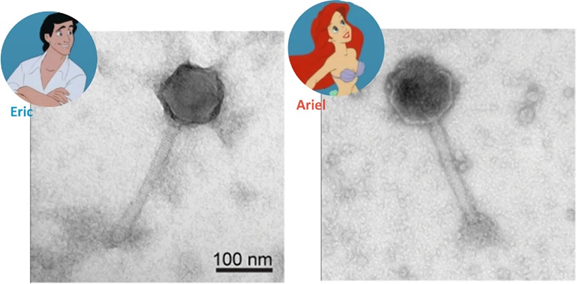
Among the most promising phages discovered during the aquaculture research were two nucleus-forming jumbophages collected from marine samples near Songkhla.
Meet the Star Phages: Eric and Ariel
They were named Eric and Ariel, inspired partly by Disney’s animation The Little Mermaid and partly by their ocean origins.
Their discovery was closely linked to collaboration with the Department of Fisheries, which works directly with shrimp farmers. When farmers encounter disease outbreaks, fisheries officials collect samples and identify the bacterial strains involved. Researchers can then use those local strains to search for matching phages.
According to Assoc. Prof. Vorrapon, “This local approach is crucial. Instead of relying on generic solutions developed elsewhere, scientists can identify phages specifically adapted to the bacterial strains present in Thailand’s own aquaculture environments.”
The Phage Cocktail
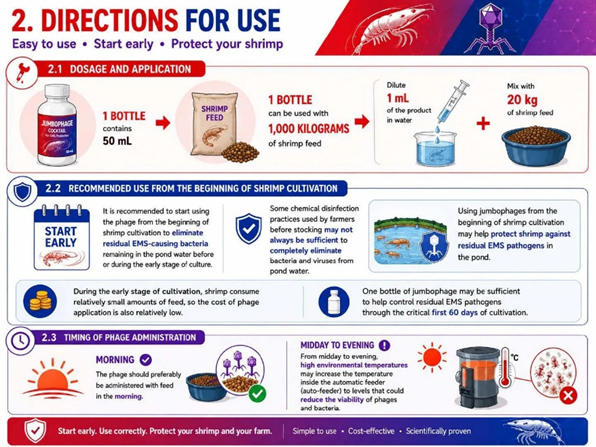
A single phage may kill one bacterial strain but have little effect on another. To overcome this limitation, researchers combine several phages into a phage cocktail. Each phage acts as a specialist targeting particular bacterial strains. Together, they can potentially provide broader coverage and reduce the risk that bacteria will develop resistance to any one phage.
But developing a successful cocktail involves more than identifying effective phages. Researchers must also determine the right combination, formulation, dosage, delivery method and storage conditions.
From Research to Commercial Application
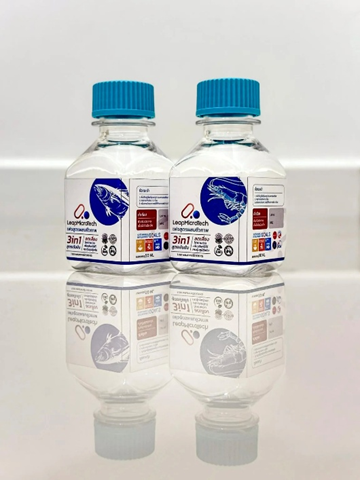
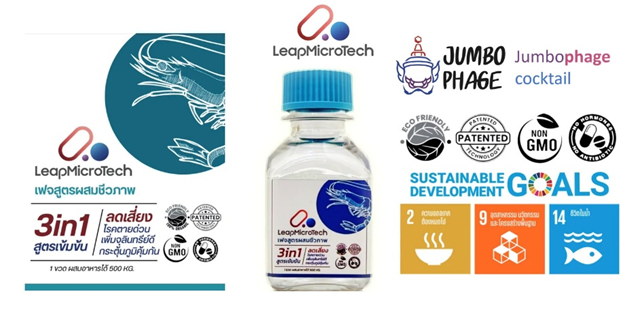
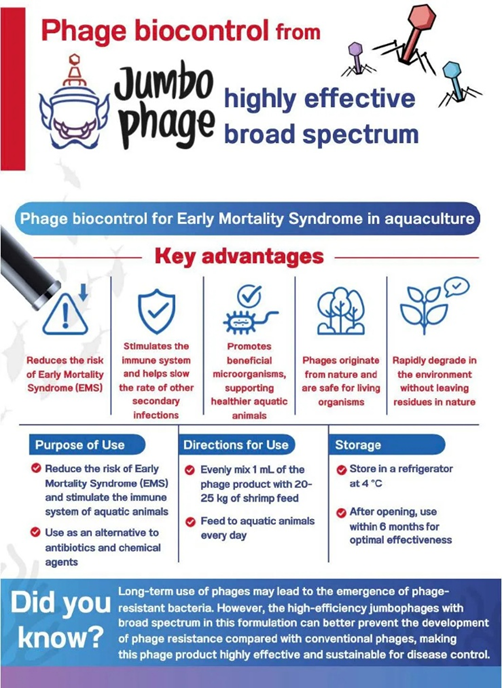
Currently, the research has advanced toward commercial development with the creation of LeapMicroTech’s “3in1 Jumbophage cocktail”, a phage-based biological solution designed for bacterial disease control in aquaculture. (See the 3in1 Jumbophage cocktail at https://www.chula.ac.th/en/highlight/427670/ )
LeapMicroTech’s “3in1 Jumbophage cocktail” A phage-based biological solution designed for bacterial disease control in aquaculture.
“While this cocktail delivers a highly targeted approach for controlling bacterial outbreaks compared to conventional antibiotics, its broader value lies in its exquisite bacterial specificity. By selectively eliminating pathogens, it preserves beneficial microorganisms and provides a viable strategy to combat antibiotic-resistant strains,” Assoc. Prof. Vorrapon said.
Shrimp Mortality Control
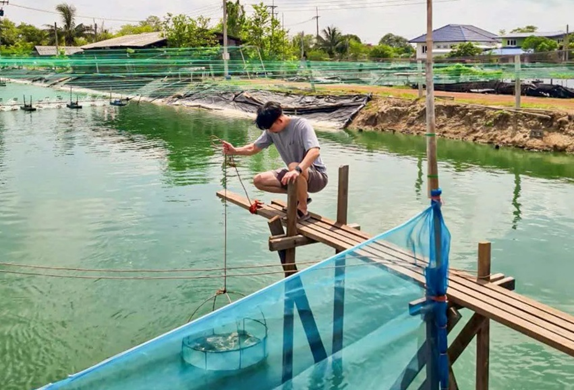
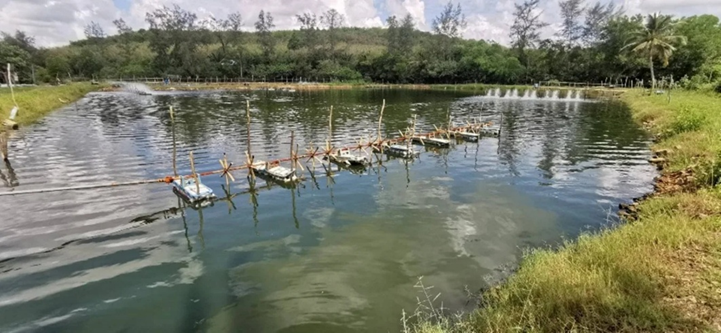
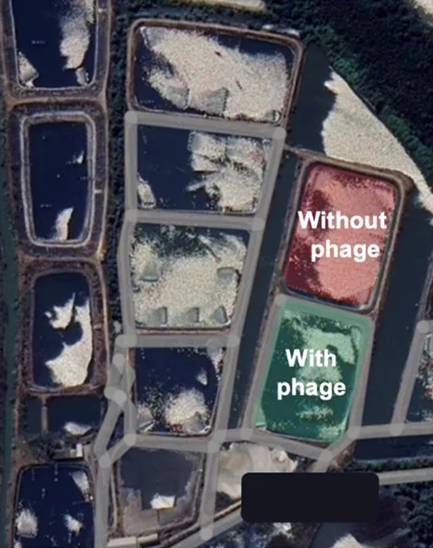
One of the most dramatic field observations came from a commercial shrimp farm where shrimp disease known as Early Mortality Syndrome (EMS) had repeatedly threatened production. The team of researchers conducted a field comparison involving two neighboring ponds. One served as a comparison, while the other received phage-treated feed.
Around day 29 of the production cycle, a major die-off occurred in the untreated pond. According to the farm’s estimate, approximately 100,000 shrimp died in a single day. Samples showed evidence consistent with EMS.
The researchers then introduced their phage cocktail into the affected pond. Within a couple days, they observed no further shrimp deaths in the treated pond. Their analysis indicated that the bacteria associated with the disease had been eliminated following treatment.
The neighboring pond receiving phages as a feed supplement also experienced no shrimp mortality during the observation period described by the researchers. While such results require further controlled validation, they illustrate the potential of phage technology as a tool for managing bacterial disease in aquaculture.
The researchers concluded the outcomes of phage cocktail application on shrimp farms as follow:
Reduced mortality caused by bacterial infections
Potential replacement or reduction of antibiotic use
Sustainable disease management for aquaculture
Possibility of adapting the technology for other bacterial diseases in animals and humans
The Challenges Beyond the Science
Scientific discovery is only the beginning. For phage technology to become a widely used medical or agricultural product, researchers must also address regulation, intellectual property, manufacturing, quality control, farmer education and distribution.
Biggest challenge is human habits, Assoc. Prof. Vorrapon said and shared his concern that farmers who have relied on familiar products for years may naturally be cautious about a treatment based on viruses. Phages do not work like antibiotics, and their effects may need to be evaluated differently. That makes field demonstrations especially important. Real-world experience can help farmers understand not only what the technology does, but also how to use it effectively.
CAPSiD: Building a Library of Tiny Weapons
The researchers are thinking beyond individual phages such as Churi, Eric and Ariel.
Their longer-term vision includes the proposed CAPSiD Center, which would expand Thailand’s collection—or “library”—of phages available for research and development.
Assoc. Prof. Vorrapon highlighted the prospect of capsids researches, “Capsids are more than protective shells: their structures can potentially be adapted as nanoparticles, delivery systems, vaccine platforms and diagnostic tools.”
In creating CAPSiD Center, Assoc. Prof. Vorrapon hopes to bring together researchers, clinicians, veterinarians, industry partners, government agencies, and young scientists within one translational platform.
“My vision for CAPSiD – the Center for Applied Phage Science and Discovery is to create a national hub that bridges fundamental phage science with real-world applications. Thailand has strong biodiversity and significant potential for discovering novel bacteriophages, but discovery alone is not enough. We need an ecosystem that can move promising phages through characterization, formulation, validation, scale-up, regulatory approval, and ultimately commercialization.”
Assoc. Prof. Vorrapon Chaikeeratisak
In the long term, he hopes CAPSiD can help transform Thailand’s unique microbial biodiversity into high-value biological technologies and products. Instead of being only a source of biological resources, Thailand could become a developer and exporter of phage-based innovations, contributing to a sustainable bioeconomy and One Health solutions.
Each phage could potentially become a biological component of a future treatment. Beyond medicine, phages have tremendous potential in aquaculture, agriculture, food safety, and biotechnology. Therefore, the larger and more diverse the library, the more options researchers would have for developing cocktails against different bacterial targets. The idea is ambitious but straightforward: if bacteria continue to evolve, researchers need a diverse collection of biological tools that can evolve with them.
Beyond Shrimp
The same strategy could eventually be applied to other areas of agriculture.
Researchers have discovered numerous nucleus-forming jumbophages and are exploring their potential against bacterial diseases affecting livestock and poultry, including chickens and pigs.
These applications remain at earlier stages. Researchers must first identify suitable phages, develop cocktails and conduct laboratory testing before progressing to controlled trials in farming environments. This highlights a broader lesson: scientific discovery requires an ecosystem around it.
Researchers need access to bacterial strains, relationships with farmers, regulatory pathways, manufacturing capacity and practical knowledge of each industry. The Department of Fisheries provides an important bridge in aquaculture, and similar partnerships will be essential for expanding phage technology into other sectors.
The Future for Fighting Bacteria
The story of these phages stretches across very different worlds. It begins in soil beneath a fallen Chamchuri tree. It continues in laboratories studying microscopic viruses and drug-resistant bacteria. It reaches ocean samples collected near Songkhla and shrimp farms across southern Thailand. Along the way, it connects microbiologists, fisheries officials, farmers, clinicians and biotechnology researchers.
“Over the next 10 years, I expect research to move from describing these remarkable structures toward understanding their molecular mechanisms and eventually learning how to harness them. Their unusual biology may reveal new antimicrobial targets, enzymes, delivery systems, and biotechnology tools. Their ability to overcome some bacterial defense systems may also make them particularly interesting candidates for developing robust therapeutic phages.”
Assoc. Prof. Vorrapon Chaikeeratisak
Assoc. Prof. Vorrapon believes that the next decade will be particularly exciting for nucleus-forming jumbophages. These phages have completely changed the perception of how sophisticated viruses can be. By constructing a nucleus-like compartment inside bacterial cells and organizing their own intracellular machinery, they reveal biological principles that we can only begin to understand.
For Thailand, the opportunity is especially significant. An enormous and still largely unexplored reservoir of jumbophages is provided by the country’s rich biodiversity. By integrating discovery, fundamental biology, engineering, translational research, and commercialization, these natural biological resources could be transformed into innovations for human health, livestock, aquaculture, agriculture, and food production.
“Ultimately, I hope Thailand can become not only a place where new jumbophages are discovered, but also a global center where their biology is understood and translated into technologies that contribute to health security, sustainable agriculture, and the bioeconomy.” Assoc. Prof. Vorrapon
Chulalongkorn University has been ranked Thailand’s No. 1 university for the 17th consecutive year (since 2009) in the newly released QS World University Rankings 2026. The university is ranked 221st in the world and places among the world’s Top 100 in two key indicators: Academic Reputation (89th) and Employment Outcomes (64th).