Friday, April 19, 2024

อพท. เปิดรับสมัคร "สุดยอดนวัตกรรมเพื่อการท่องเที่ยวยั่งยืน" เพื่อพัฒนาลุ่มน้ำทะเลสาบสงขลา ชิงเงินรางวัลกว่า 130,000 บาท

องค์การบริหารการพัฒนาพื้นที่พิเศษเพื่อการท่องเที่ยวอย่างยั่งยืน (องค์การมหาชน) หรือ อพท.  เปิดโอกาสให้คนรุ่นใหม่ นักเรียน/นักศึกษา และประชาชนทั่วไป ที่มีไอเดีย สุดเจ๋ง ส่งผลงานเข้าร่วมแข่งขันนวัตกรรมเพื่อการท่องเที่ยวอย่างยั่งยืน "Sustainable Tourism Innovative 2024" ตอบโจทย์และยกระดับขีดความสามารถการท่องเที่ยวชุมชน ทั้งพัฒนาในด้านเศรษฐกิจ สังคมวัฒนธรรม และสิ่งแวดล้อมในพื้นที่พิเศษลุ่มน้ำทะเลสาบสงขลา ชิงเงินรางวัลรวมกว่า 130,000 บาท รับสมัครตั้งแต่วันนี้ถึง 30 พฤษภาคม 2567

นาวาอากาศเอก อธิคุณ คงมี ผู้อำนวยการองค์การบริหารการพัฒนาพื้นที่พิเศษเพื่อการท่องเที่ยวอย่างยั่งยืน หรือ อพท. กล่าวถึง การจัดกิจกรรมแข่งขันนวัตกรรมเพื่อการท่องเที่ยวอย่างยั่งยืน "Sustainable Tourism Innovative 2024" ในพื้นที่พิเศษลุ่มน้ำทะเลสาบสงขลาในครั้งนี้ เพื่อต้องการเฟ้นหาคนรุ่นใหม่ ที่มีไอเดีย มีใจรักพัฒนานวัตกรรมใหม่ๆ ในการช่วยยกระดับแหล่งท่องเที่ยว ด้วยนวัตกรรมให้เติบโตอย่างยั่งยืน รวมทั้งสร้างการรับรู้และส่งเสริมการตลาดการท่องเที่ยวเชิงสร้างสรรค์ให้เกิดการจ้างงาน สร้างรายได้ และสร้างความสุขให้กับชุมชุนและท้องถิ่นไปด้วยกัน โดยในปีนี้ชวนมาร่วมกิจกรรมการประกวด ภายใต้โจทย์การแข่งขัน "Forward Voyage" นวัตกรรมเพื่อการยกระดับการท่องเที่ยว ในพื้นที่พิเศษเพื่อการท่องเที่ยวอย่างยั่งยืนลุ่มน้ำทะเลสาบสงขลา

" หัวใจสำคัญของการดำเนินงานของ อพท. คือการบริหารและพัฒนาแหล่งท่องเที่ยวในพื้นที่พิเศษ ให้เกิดความสมดุลระหว่างเศรษฐกิจ สังคม และสิ่งแวดล้อม กิจกรรมที่เป็นอัตลักษณ์อันโดดเด่นของพื้นที่ คงสภาพแหล่งท่องเที่ยวให้มีความงดงาม รักษาวิถีชีวิตและวัฒนธรรมในแบบดั้งเดิมคงไว้ไม่ให้สูญหาย สามารถสร้างรายได้ และการเจริญเติบโตทางด้านเศรษฐกิจให้แก่ชุมชนได้อย่างมั่นคง เพื่อส่งมอบแหล่งท่องเที่ยวที่มีคุณภาพและมาตรฐานให้เติบโตอย่างยั่งยืนของประเทศไทย" นาวาอากาศเอก อธิคุณ คงมี กล่าว

สำหรับนวัตกรรมของการประกวดครั้งนี้ ต้องตอบโจทย์การท่องเที่ยวอย่างยั่งยืนในพื้นที่พิเศษลุ่มน้ำทะเลสาบสงขลา โดยครอบคลุมมิติทั้ง 3 ด้าน ได้แก่ 1) ด้านเศรษฐกิจ (ด้วยโมเดล BCG Tourism) 2) ด้านสังคมนวัตกรรม (Creative Tourism) และ 3) ด้านสิ่งแวดล้อม (Responsible Tourism) โดยรูปแบบของนวัตกรรมการประกวด แบ่งเป็น 2 ประเภท ประเภทที่ 1. รูปแบบนวัตกรรมที่จับต้องได้ ใช้งานได้จริง เช่น ผลิตภัณฑ์ สิ่งประดิษฐ์ เทคโนโลยี แอปพลิเคชั่น และ ประเภทที่ 2. รูปแบบนวัตกรรมความคิด เช่น การบริการ ความคิดใหม่

คุณสมบัติของผู้เข้าร่วมแข่งขัน ได้แก่  

  • เปิดรับสมัคร 2 กลุ่มทั้งนักเรียน/นักศึกษา และประชาชนทั่วไป
  • รับสมัครเป็นทีม สมาชิกในทีมต้องมีจำนวน 1-4 คน 
  • ผู้สมัครต้องมีอายุ 18 ปีบริบูรณ์หรือมากกว่า (ณ วันที่รับสมัคร)
  • สถาบันการศึกษาสามารถส่งทีมเข้าร่วมแข่งขันได้ไม่จำกัดจำนวนทีม
  • ผู้เข้าแข่งขันสามารถส่งผลงานประดิษฐ์จากนวัตกรรมได้ไม่จำกัดจำนวนผลงาน หากมีผลงานเข้ารอบมากกว่า 1 ผลงาน สงวนสิทธิ์ให้เลือกส่งผลงานได้เพียง  1 ผลงานเท่านั้น
  • ขอสงวนสิทธิ์ในการเปลี่ยนตัวสมาชิกของทีมระหว่างการแข่งขัน ยกเว้นเกิดเหตุสุดวิสัย และต้องผ่านการพิจารณาและได้รับการอนุมัติจาก อพท. เท่านั้น

สำหรับผู้สนใจเข้าร่วมกิจกรรมการแข่งขัน "Sustainable Tourism Innovative 2024" นวัตกรรมเพื่อการท่องเที่ยวอย่างยั่งยืน เพื่อพิชิตเป้าหมายในการพลิกโฉมหน้าการท่องเที่ยวให้ยั่งยืนไปด้วยกัน! สามารถสมัครได้ที่ : https://forms.gle/RamX2q27QKRiAQDy8  ตั้งแต่วันนี้ - 30 พฤษภาคม 2567 ภายในเวลา 18.00 น. เท่านั้น โดยจะประกาศรายชื่อผู้ผ่านการคัดเลือกในวันที่ 14 มิถุนายนนี้ ผ่านทางเพจ Dasta Thailand และเว็บไซต์ https://dasta-sti.com

รายละเอียดกิจกรรมเพิ่มเติมคลิก  https://dasta-sti.com  

สอบถามข้อมูลเพิ่มเติม Line ID: @dastasti 

Thursday, April 18, 2024

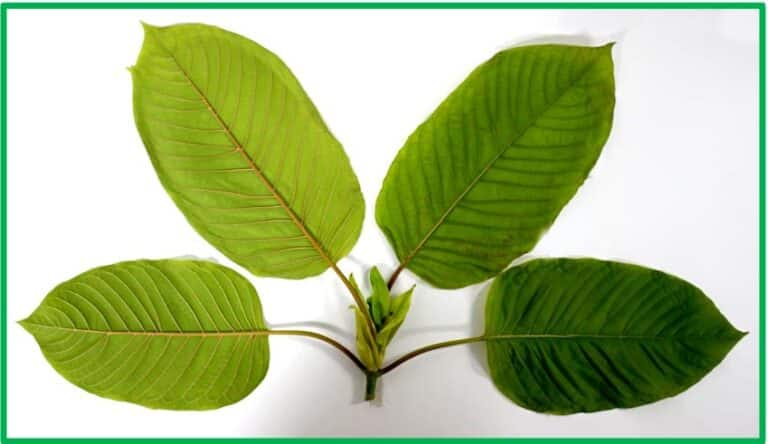
Chula Faculty of Pharmaceutical Sciences Research Reveals Some Beneficial Effects of Kratom(Mitragyna speciosa): Analgesic, Anti-Inflammatory, and Narcotic Detoxification


          After legalizing the Kratom plant in Thailand, researchers can now build upon a longstanding local wisdom to use the plants for healing. Dr. Thongchai Sooksawate, a lecturer from the Faculty of Pharmaceutical Sciences at Chulalongkorn University, presents his ongoing research to use Kratom plants as analgesic, anti-inflammatory drugs, and detoxification aids for substance addiction, offering natural alternatives to chemical medications. ?
          "Kratom", a local medicinal plant, has regained prominence in Thai society after being listed as a Category 5 narcotic substance for over half a century.  Today, fresh green Kratom leaves are openly sold along roadsides, in markets, on produce trucks, and at hawker stalls.  Some vendors offer ready-to-drink Kratom tea and seedlings for home cultivation or agricultural plots.
          Kratom is favored among laborers who chew the fresh leaves for energy. While some claim medicinal benefits like blood sugar reduction, skepticism remains regarding addiction risks and potential adverse effects and questions have arisen about addiction, symptoms, medicinal benefits, usage, and potential consequences.
          In this article, Associate Professor Dr. Thongchai Sooksawate, Lecturer at the Department of Pharmacology and Physiology, Faculty of Pharmaceutical Sciences, Chulalongkorn University, will address concerns about the Kratom plants
          "Kratom has been a long-standing remedy in Thai traditional medicine, commonly found in almost every home.  It serves various purposes such as welcoming house guests, socializing at important events, and providing a tonic and stimulant for strenuous work," says Assoc. Prof. Dr. Thongchai.
          He highlights the challenges in the past, to conduct medical and pharmaceutical research on Kratom and the recent opportunities for research following its removal from the list of controlled substances.  Dr. Thongchai's research focuses on utilizing standardized Kratom extract and its active substance, mitragynine, as natural painkillers and withdrawal aids from narcotics such as methamphetamine and morphine.
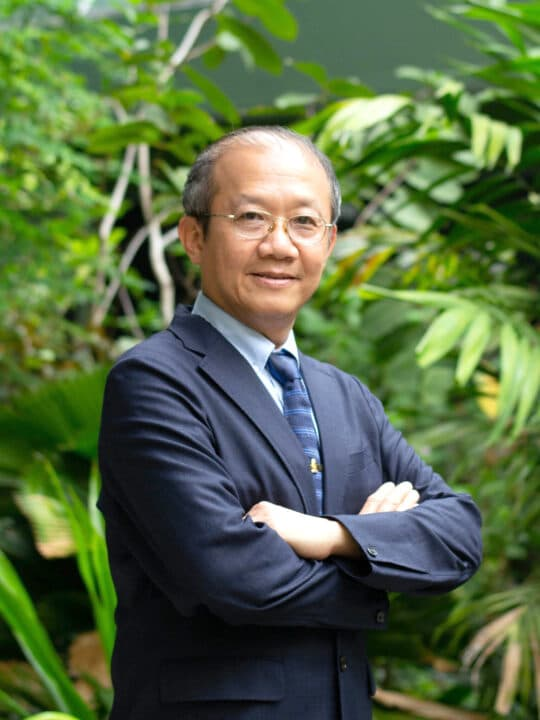
Associate Professor Dr. Thongchai Sooksawate
 Lecturer at the Department of Pharmacology and Physiology,
Faculty of Pharmaceutical Sciences, Chulalongkorn University

          "Kratom plants hold potential for both Thai traditional and modern medicine, underscoring the need for further research to harness its medical benefits."

Kratom: From Traditional Remedy to Legalization


          Kratom, a native plant found throughout Thailand, is densely distributed in the southern, lower central, eastern, and western regions.  The name of Kratom varies according to each locality and the plant has been historically valued for its medicinal properties, such as in treating diseases, reducing pain, and increasing stamina for work. However, in 1943, the plant fell under government control due to concerns about revenue loss from opium taxes.  When opium prices soared, consumers sought alternatives and Kratom leaves became one.  Subsequent classifications as a Category 5 narcotic in 1979, following the Narcotics Act B.E. 2522, further restricted use and research potential of the Kratom plant, as well as a handful of other native plants, such as Cannabis, Magic Mushrooms, and Opium. The argument made was that these plants, including Kratom, may cause addiction and withdrawal symptoms. As a result, the Kratom plants largely disappeared from people's lives and was difficult to study for medical benefits or research in humans was not possible.
          In 2019, legislation was revised and the Narcotics Act No. 7 B.E. 2562 unlocked Kratom for human research and medical purposes. Subsequently, the Narcotics Act No. 8 2564 (2021) removed Kratom from the list of Category 5 narcotics entirely. Most recently, the Kratom Act B.E. 2565 (2022) legalized the cultivation, possession, and sale of Kratom. However, processing into food, medicine, herbs, or cosmetics requires legal approval and the import and export of Kratom plants must be authorized by the Office of the Narcotics Control Board (ONCB).

Kratom in Local Wisdom and Culture

          Kratom has been deeply intertwined with people's lifestyles in various social, cultural, and medicinal contexts throughout history:
  • Kratom in Social Gatherings: Fresh Kratom leaves have been a staple offering at cultural festivities, ordination ceremonies, weddings, and funerals. Traditionally served alongside betel nuts, piper betel, tea, and tobacco, they symbolize hospitality and welcome for house guests. Additionally, chewing Kratom leaves while enjoying tea or coffee at local teahouses and coffee shops has long been a social custom.
Fresh Kratom leaves served alongside betel nuts, piper betel, tea, coffee, and tobacco to welcome house guests

          Moreover, among participants in activities, such as bullfighting, cockfighting, or traditional performances like shadow puppetry in the South, chewing Kratom leaves is preferred to enhance alertness and set the mood for music and entertainment.
  • Kratom as a Stimulant: Laborers across various industries, including agriculture, farming, rubber plantations, fishing, and transportation, often chew fresh Kratom leaves before starting work. Believing it boosts stamina and endurance, they rely on Kratom to enhance productivity.
  • Kratom in Folk and Traditional Medicine: In folk medicine practices, Kratom holds a significant place. Folk healers commonly use Kratom either alone or as part of traditional remedies to address a wide range of ailments and symptoms.  From flu and diarrhea to high blood pressure and diabetes, Kratom is believed to offer relief.  It is also used to enhance virility, aid sleep, and even manage withdrawal symptoms from drug addiction, such as from opium and heroin.
  • In Thai traditional medicine literature, numerous recipes feature Kratom as a key ingredient.  These formulations can be found in works such as Khun Sophit Banalak's Book of Traditional Medicine, Phaetthayasaat Songkhro (The Study of Medicine), Manual for Students of Traditional Medicine by Phray? Phitsanuprasatw?t, and Inscription of the Medicine Remedies, Wat Ratcha Orasaram Ratchaworawihan.  These ancient texts prescribe Kratom for various ailments including dysentery, diarrhea, stomach cramps, and body aches, among others.
Inscription of the Medicine Remedies, Wat Ratcha Orasaram Ratchaworawihan

"Mitragynine": An Analgesic and Anti-inflammatory Agent in Kratom Leaves


          Kratom leaves have long been utilized as a medicinal herb, either independently or as a part of traditional remedies, to address various health conditions. The therapeutic properties stem from mitragynine, a compound unique to Kratom plants and not present in other botanicals within the same family.
          Research indicates that mitragynine exhibits moderate to potent anti-inflammatory and analgesic effects, suggesting its potential as a precursor for producing pain-relieving medications akin to the chemical tramadol.

          The analgesic and anti-inflammatory properties of mitragynine in Kratom leaves probably contributed to its popularity among laborers as a stimulant and fatigue reliever.  These individuals often chew fresh Kratom leaves before commencing work, believing it enhances strength, energy levels, endurance, and resistance to fatigue and discomfort under the sun. Assoc. Prof Dr.Thongchai further noted that studies on the routine use of Kratom in Southern Thailand have not shown a definite increase in health issues.

Kratom: Potential benefits for Various Ailments

          In addition to its analgesic and anti-inflammatory effects, research suggests Kratom may have therapeutic potential in treating a myriad of other conditions. These include but are not limited to: reducing blood sugar and lipid levels, alleviating diarrhea, suppressing appetite, combating parasites and microbes, as well as offering anti-anxiety, anti-depressant, and psychotic effects.

Kratom: Facilitating Treatment and Detoxification from Dangerous Narcotic Drugs

          A key aspect of Kratom's potential lies in its ability to serve as a substitute or aid in managing withdrawal symptoms associated with addiction to substances such as alcohol, opium, heroin, or other drugs.
          "Although Kratom exhibits morphine-like analgesic effects, it is less dangerous and poses a lower risk of addiction," explains Assoc. Prof. Dr. Thongchai.  "In certain regions, Kratom has been embraced as a detoxification agent for withdrawal from other strong narcotics, offering an alternative to the use of chemical-based drugs for detox."
          With Kratom having a morphine-like effect, concerns arise about its use in the production of other narcotic drugs. This is unlikely, however, as Kratom cannot be used as a reactant to drug production, and it is difficult to use the active ingredients of Kratom in the production of other narcotics. Extracting pure mitragynine, an active ingredient in Kratom, is a complicated and costly process," said Assoc. Prof. Dr. Thongchai.

Kratom Products

          Although Kratom is not an illegal drug anymore, the use of Kratom plants in other products must be carefully studied due to the other laws which control the production of those products, cautioned Dr. Thongchai.
          "If you brew Kratom juice or tea at home for personal consumption, you can do so without permission. However, processing Kratom into various products, such as medicine, herbal products, food, supplements, and cosmetics for sale, requires approval from regulatory bodies, like the Food and Drug Administration (FDA) or the Provincial Public Health Offices," advised Assoc. Prof Dr.Thongchai.

Caution When Using Kratom

          While Kratom has medicinal properties with few adverse effects, it is advisable to "use only when necessary".
          "For adults, use Kratom only when necessary, and maintain proper health care practices, such as a balanced diet, regular exercise, adequate rest, and stress management.  If using Kratom or Kratom products, follow directions, consult experts, and be mindful of potential risks, including:
  • Avoid using Kratom with children. Due to the risk of unwanted side effects such as epilepsy, psychosis, and neurological symptoms.  Initial use of Kratom may lead to the use of more dangerous narcotics.
  • Pregnant women should not use Kratom. Due to the risk of addiction in the unborn child.
  • People with liver or kidney diseases should avoid Kratom.
  • Use Kratom as prescribed and avoid overuse. 
  • Discontinue use if experiencing side effects such as palpitations, nausea, and vomiting.
  • Consult a doctor or pharmacist before using Kratom while taking regular medication or if experiencing discomfortfrom regular Kratom use.
          Assoc. Prof. Dr. Thongchai added the following cautions regarding the use of Kratom in combination with modern medicine or other drugs:
  • People who use medicinal cannabis are prohibited from combining it with Kratom as it may increase the toxicity of cannabis.
  • People with diabetes should be cautious.  Research has shown that Kratom contains substances that help lower blood sugar, and when combined with diabetes medication or regular insulin injections, it can result in hypoglycemia.
          In conclusion, while Kratom offers many benefits, its misuse can lead to harmful effects. "Some individuals use Kratom recreationally by mixing it with other substances, like cough syrup, mosquito repellent, carbonated water, or even powder in fluorescent lamps. This creates a concoction known as4x100, which poses serious health risks," warned Assoc. Prof Dr.Thongchai. "Kratom and cannabis should be used for medicinal purposes only, and efforts should be made to prevent abuse."

"Chulalongkorn University sets the standard as a university of innovations for society and is listed in the World's Top 100 Universities for Academic Reputation, in the Quacquarelli Symonds (QS) World University Rankings 2021-2022."


          Source:  Chulalongkorn University Communication Center

วิจัยเภสัชฯ จุฬาฯ ชี้ พืชกระท่อม ลดปวด-แก้อักเสบ ถอนยาเสพติดร้ายแรงได้


          การปลดล็อกพืชกระท่อมเปิดโอกาสให้นักวิจัยได้ต่อยอดภูมิปัญญาท้องถิ่น ที่ใช้ประโยชน์จากพืชสมุนไพรตัวนี้มาแต่โบราณ อ.เภสัชฯ จุฬาฯ เผยปัจจุบันมีการวิจัยใช้สารในใบกระท่อมทำยาแก้ปวด ลดการอักเสบ และอาจใช้ในการถอนยาเสพติดร้ายแรงอื่น ๆ แทนยาเคมี
          "ใบกระท่อม" พืชสมุนไพรท้องถิ่นกลับมาเป็นที่รู้จักในสังคมไทยอีกครั้ง หลังจากถูกควบคุมและขึ้นบัญชีเป็นยาเสพติดให้โทษประเภทที่ 5 มานานกว่าครึ่งศตวรรษ 
          เวลานี้ ตามริมถนน บนฟุทบาท ตลาดสด เราจะเห็นรถเร่ แผงลอย วางจำหน่ายใบกระท่อมเขียวสดกันอย่างเปิดเผย พ่อค้าแม่ขายบางรายก็ทำน้ำต้มใบกระท่อมแบบพร้อมดื่ม บ้างก็ขายกล้าพืชกระท่อมเพื่อให้ผู้สนใจนำไปปลูกที่บ้านหรือในแปลงเกษตร
          ใบกระท่อมได้รับความนิยมสูงในกลุ่มผู้ใช้แรงงานที่ใช้ใบสดเป็นของเคี้ยวชูกำลัง บางคนก็ใช้ใบกระท่อมโดยอ้างสรรพคุณทางยาเพื่อลดน้ำตาลในเลือด แต่หลายคนก็ยังกังขา"ใช้กระท่อมแล้วจะติดไหม มีอาการอย่างไร" "หากมีสรรพคุณทางยา มีประโยชน์อย่างไร แล้วจะใช้อย่างไร มีโทษไหม"
          ในบทความนี้ รองศาสตราจารย์ เภสัชกร ดร.ธงชัย สุขเศวต อาจารย์ประจำภาควิชาเภสัชวิทยาและสรีรวิทยา คณะเภสัชศาสตร์ จุฬาลงกรณ์มหาวิทยาลัย ผู้ทำวิจัยเรื่อง "กระท่อม" จะมาไขข้อสงสัยดังกล่าว
รองศาสตราจารย์ เภสัชกร ดร.ธงชัย สุขเศวต อาจารย์ประจำภาควิชาเภสัชวิทยาและสรีรวิทยา คณะเภสัชศาสตร์ จุฬาลงกรณ์มหาวิทยาลัย

          "กระท่อมเป็นยาที่คนในสมัยโบราณใช้กันมานานมาก เรียกได้ว่าเป็นยาสามัญที่มีอยู่แทบทุกบ้านเลยก็ว่าได้ ใช้ต้อนรับแขกผู้มาเยือนบ้าน ใช้เป็นส่วนหนึ่งในการเข้าสังคมในงานสำคัญ ๆ ต่าง และใช้เป็นยาชูกำลังในการทำงานที่ต้องใช้แรง"
          อาจารย์ธงชัยกล่าวว่าที่ผ่านมา การศึกษาวิจัยพืชกระท่อมทางการแพทย์และเภสัชกรรมทำได้ยาก จนเมื่อมีการปลดล็อกพืชกระท่อม ก็เปิดโอกาสให้เกิดการศึกษาวิจัยทางการแพทย์และยามากมาย เช่นที่อาจารย์ธงชัยศึกษาวิจัยพืชกระท่อมเพื่อทำสารสกัดยาสมุนไพรมาตรฐานเป็นยาแก้ปวดที่มาจากธรรมชาติ รวมถึงเป็นยาช่วยเลิกสารเสพติดประเภทยาบ้าและยามอร์ฟีน 
          "พืชกระท่อมมีศักยภาพที่จะพัฒนามาใช้เป็นยาทั้งทางการแพทย์แผนไทยและแผนปัจจุบัน จึงควรมีการส่งเสริมการศึกษาวิจัยเพื่อนำมาใช้ประโยชน์ทางการแพทย์ต่อไป"

พืชกระท่อม จากยาสามัญประจำถิ่นสู่ยาเสพติด

           กระท่อมเป็นพืชพื้นถิ่นที่พบกระจายทั่วประเทศไทย พบหนาแน่นในพื้นที่ภาคใต้ ภาคกลางตอนล่าง ภาคตะวันออก และภาคตะวันตก มีชื่อเรียกแตกต่างกันไปตามแต่ละท้องถิ่น ด้วยความที่เป็นพืชพื้นถิ่นเช่นนี้ คนไทยนับตั้งแต่อดีตจึงรู้จักและสั่งสมภูมิปัญญาในการใช้ประโยชน์จากพืชชนิดนี้ ทั้งในแง่การรักษาโรค ลด-คลายอาการปวดเมื่อย เพิ่มกำลังในการทำงาน เป็นต้น 
          จนเมื่อปี 2486 เริ่มมีการออกกฎหมายควบคุมพืชกระท่อมภายใต้พระราชบัญญัติพืชกระท่อม พ.ศ. 2486 อาจารย์ธงชัยเล่ามูลเหตุที่นำไปสู่การควบคุมพืชกระท่อมในเวลานั้นว่า "รัฐผูกขาดภาษีฝิ่น เมื่อฝิ่นราคาแพง ผู้คนก็หันมาสูบใบกระท่อมแทน ทำให้รัฐเสียรายได้จากภาษีฝิ่น จึงออกกฎหมายเพื่อควบคุมการปลูกและการใช้พืชกระท่อม" 
          มาในปี 2522 พระราชบัญญัติยาเสพติดให้โทษ พ.ศ. 2522 ขึ้นบัญชีพืชพื้นถิ่นหลายชนิด เช่น กระท่อม กัญชา เห็ดขี้ควาย และฝิ่น ให้เป็นยาเสพติดให้โทษประเภท 5 โดยรัฐให้เหตุผลว่าพืชกระท่อมอาจทำให้เกิดการเสพติดและเกิดอาการถอนยาได้เมื่อหยุดเสพ ตั้งแต่นั้นมา ใบกระท่อมก็หายไปจากพื้นที่ชีวิตของผู้คน การศึกษาวิจัยพืชกระท่อมเพื่อประโยชน์ทางการแพทย์ หรือการศึกษาวิจัยในมนุษย์ก็ไม่สามารถทำได้
          จนปี 2562 เริ่มมีการทบทวน แก้ไขและออกพระราชบัญญัติยาเสพติดให้โทษฉบับที่ 7 พ.ศ. 2562 ปลดล็อกพืชกระท่อมและกัญชาให้สามารถใช้ในการศึกษาวิจัยในมนุษย์หรือนำมาใช้ทางการแพทย์ได้ ต่อมา พระราชบัญญัติยาเสพติดให้โทษ ฉบับที่ 8 พ.ศ. 2564 ก็ได้ให้พืชกระท่อมออกจากยาเสพติดให้โทษประเภทที่ 5 โดยสมบูรณ์ และล่าสุด พระราชบัญญัติพืชกระท่อม พ.ศ. 2565 เปิดเสรีให้ปลูก ครอบครอง และขายพืชกระท่อมได้ ทั้งนี้ การแปรรูปเป็นผลิตภัณฑ์อาหาร ยา สมุนไพร เครื่องสำอาง ให้ขออนุญาตตามกฎหมายเฉพาะของผลิตภัณฑ์นั้น ๆ ส่วนการนำเข้าและส่งออกใบกระท่อมต้องได้รับอนุญาตจากสำนักงานคณะกรรมการป้องกันและปราบปรามยาเสพติด (ปปส.)

กระท่อมในวิถีภูมิปัญญาและวัฒนธรรมท้องถิ่น

          ในอดีต พืชกระท่อมมีบทบาทในวิถีชีวิตผู้คน ทั้งในมิติสังคม วัฒนธรรมและการแพทย์ ดังนี้
  • กระท่อมในพื้นที่ทางสังคม งานประเพณี วัฒนธรรม งานบวช งานแต่งงาน งานศพ จะมีการใช้ใบกระท่อมสด ร่วมกับหมาก พลู น้ำชา ยาเส้น เพื่อเป็นการต้อนรับแขกผู้มาเยือนบ้าน หรือเคี้ยวใบกระท่อมสด ร่วมกับน้ำชา กาแฟ ในร้านน้ำชา ร้านกาแฟ เพื่อเป็นการสังสรรค์และเข้าสังคม
นำใบกระท่อมสด ร่วมกับ หมาก พลู น้ำชา กาแฟ ยาเส้น มาใช้ต้อนรับแขกผู้มาเยือนบ้าน

          นอกจากนี้ ในงานของกลุ่มคนที่เล่นวัวชน ไก่ชน หรือกลุ่มนักแสดงพื้นบ้านในภาคใต้ เช่น หนังตะลุง ก็นิยมเคี้ยวใบกระท่อมเพื่อไม่ให้ง่วงนอน และเกิดอารมณ์ร่วมในการบรรเลงเพลงและการแสดงต่าง ๆ
  • กระท่อมในฐานะยาชูกำลัง กลุ่มผู้ใช้แรงงาน อาทิ เกษตรกร ชาวนา ชาวไร่ ชาวสวนยาง ชาวประมง กรรมกร คนขับรถขนส่ง รถโดยสาร นิยมเคี้ยวใบกระท่อมสดก่อนจะออกไปทำงาน โดยเชื่อว่าจะทำให้มีกำลังและความอดทนต่อการทำงานยิ่งขึ้น
  • กระท่อมเป็นยา ในทางการแพทย์พื้นบ้าน หมอพื้นบ้านนิยมใช้กระท่อมทำยาสมุนไพร ทั้งในรูปยาเดี่ยว หรือเป็นตำรับยาพื้นบ้าน เพื่อรักษาโรคและอาการต่าง ๆ อาทิ ไข้หวัด ท้องเสีย บิด ปวดเมื่อย แก้ไอ ลดความดันโลหิต รักษาโรคเบาหวาน โรคกระเพาะอาหาร เพิ่มสมรรถภาพทางเพศ ช่วยให้นอนหลับง่าย และใช้ทดแทนหรือบำบัดอาการถอนยาจากการเสพติด เช่น ฝิ่น เฮโรอีน 
  • ในส่วนของแพทย์แผนไทย พบตำรับยาแผนไทยที่มีพืชกระท่อมเป็นส่วนประกอบในคัมภีร์แพทย์แผนโบราณของขุนโสภิตบรรณลักษณ์ เล่ม 1-3 ตำราแพทย์ศาสตร์สงเคราะห์ ตำราเวชศึกษาของพระยาพิศณุประสาทเวช และจารึกตำรายาวัดราชโอรสารามราชวรวิหาร ซึ่งได้แก่ ตำรับยาประสะใบกระท่อม ยาหนุมานจองถนนปิดมหาสมุทร ยาแก้บิดลงเป็นเลือด ยาแก้บิดหัวลูก ยาประสะกานแดง เป็นต้น โดยมีสรรพคุณสำคัญในการรักษาโรคบิด ท้องร่วง ท้องเสีย แก้ปวดมวนท้อง ปวดเบ่ง ท้องเฟ้อ ปวดเมื่อยตามร่างกาย เป็นต้น
จารึกตำรายาวัดราชโอรสารามราชวรวิหาร

"ไมทราไจนีน" สารแก้ปวดและลดอักเสบในใบกระท่อม


           ใบของพืชกระท่อมเป็นส่วนที่มักใช้เป็นยาสมุนไพร ทั้งในรูปยาเดี่ยว หรือเป็นตำรับยาพื้นบ้าน เพื่อรักษาโรคต่าง ๆ ซึ่งสรรพคุณทางยามาจากสารไมทราไจนีน ซึ่งสารตัวนี้พบแค่ในพืชกระท่อมเท่านั้น ไม่พบที่ต้นไม้ชนิดอื่นแม้จะอยู่ในตระกูลเดียวกัน 
          "ในการศึกษาวิจัยพบว่าสารไมทราไจนีน มีฤทธิ์ในการลดการอักเสบและแก้ปวดในระดับปานกลางถึงค่อนข้างรุนแรงได้ เราจึงอาจนำกระท่อมมาเป็นสารตั้งต้นในการผลิตยาแก้ปวด ที่มีสรรพคุณทางยาเทียบเท่ากับ "ทรามาดอล" ที่เป็นเคมี"

          อาจด้วยฤทธิ์คลายปวดและลดการอักเสบของไมทราไจนีนในใบกระท่อม ที่ทำให้กลุ่มผู้ใช้แรงงานนิยมใช้พืชกระท่อมเป็นเสมือนยาชูกำลัง คลายปวด ลดเมื่อย  
          "คนกลุ่มนี้นิยมเคี้ยวใบกระท่อมสดก่อนออกไปทำงาน โดยเชื่อว่าจะทำให้รู้สึกแข็งแรง กระปรี้กระเปร่า ทำงานได้นาน ไม่เหนื่อยล้า ไม่ปวดเมื่อย ไม่ง่วงนอน ทนต่อความร้อน สามารถทำงานกลางแดดได้นานยิ่งขึ้น" 
          อาจารย์ธงชัย กล่าวเสริมว่าจากผลการศึกษาการใช้ใบกระท่อมเป็นประจำในภาคใต้ของไทย ยังไม่พบการเพิ่มขึ้นของปัญหาสุขภาพอย่างชัดเจน

กระท่อม ศักยภาพเป็นยารักษาอีกหลายโรค

           นอกจากฤทธิ์ในการลดปวด แก้อาการอักเสบแล้ว อาจารย์ธงชัยกล่าวถึงการศึกษาวิจัยที่พบว่าพืชกระท่อมอาจมีฤทธิ์ในการรักษาโรคอื่น ๆ อีกด้วย ได้แก่ ลดระดับน้ำตาลและไขมันในเลือด ลดอาการท้องเสีย ลดความอยากอาหาร ฤทธิ์ต้านปรสิตและเชื้อจุลชีพ ฤทธิ์ต้านอาการวิตกกังวล อาการซึมเศร้า และโรคจิต

กระท่อม บำบัดและถอนยาเสพติดร้ายแรง

          หนึ่งในศักยภาพสำคัญของกระท่อมคือใช้ทดแทนหรือบำบัดอาการถอนยาจากการเสพติด เช่น แอลกอฮอล์ ฝิ่น เฮโรอีน หรือยาเสพติดชนิดอื่น ๆ 
          "พืชกระท่อมมีฤทธิ์แก้ปวดคล้ายมอร์ฟีน แต่อันตรายน้อยกว่า โอกาสติดน้อยกว่า ดังนั้น คนในบางประเทศจึงมีการนำกระท่อมมาใช้เป็นยาสำหรับการถอนยาเสพติดชนิดแรง ๆ ตัวอื่น ๆ แทนการใช้ยาถอนยาเสพติดที่ทำมาจากเคมีในปัจจุบัน" 
          ด้วยความที่ใบกระท่อมมีฤทธิ์คล้ายมอร์ฟีน หลายคนกังวลว่าจะมีการใช้พืชกระท่อมเป็นสารตั้งต้นเพื่อผลิตยา 
          "เรื่องนี้เป็นไปได้ยาก ด้วยตัวกระท่อมเอง ไม่สามารถนำมาเป็นสารตั้งต้นการผลิตยาเสพติดได้ และการจะนำสารสำคัญในใบกระท่อมไปใช้เป็นสารตั้งต้นในการผลิตยาเสพติดตัวอื่นก็ไม่ง่ายเช่นกัน การสกัดเอาไมทราไจนีนออกมาให้บริสุทธิ์นั้นไม่ง่าย มีขั้นตอนที่ซับซ้อนพอสมควร อีกประการต้นทุนในการผลิตก็สูง" อาจารย์ธงชัยกล่าว

ผลิตภัณฑ์จากพืชกระท่อม

          แม้พืชกระท่อมจะไม่ใช่ยาเสพติดในทางกฎหมาย แต่การนำพืชกระท่อมไปใช้ผลิตภัณฑ์อื่น ๆ ก็ต้องศึกษาให้ดี เพราะการทำผลิตภัณฑ์จากกระท่อมบางอย่างอาจเข้าข่ายการผลิตยาเสพติด อาจารย์ธงชัยกล่าวเตือน
          "ถ้าทำน้ำกระท่อม ชากระท่อมในครัวเรือนของตนเอง ไม่มีการซื้อขาย ก็สามารถทำและใช้ได้เลย ไม่ต้องขออนุญาต แต่ถ้าจะแปรรูปเป็นผลิตภัณฑ์จากใบกระท่อมในรูปแบบต่าง ๆ เช่น ยา อาหาร อาหารเสริม เครื่องสำอาง เพื่อขาย จำเป็นต้องขออนุญาตจากคณะกรรมการอาหารและยา (อย.) ดังนั้น ใครที่คิดจะทำธุรกิจเกี่ยวกับพืชกระท่อม ขอให้ปรึกษา อย. หรือ สำนักงานสาธารณสุขจังหวัด (สสจ.) ก่อนดำเนินการทำผลิตภัณฑ์นั้น ๆ" อาจารย์ธงชัยให้คำแนะนำ

ข้อควรระวังในการใช้พืชกระท่อม

          แม้พืชกระท่อมจะมีสรรพคุณทางยา มีประโยชน์ โทษน้อย แต่อาจารย์ธงชัยแนะนำว่า "ให้ใช้เฉพาะที่จำเป็น จะดีที่สุด"
          "สำหรับผู้ใหญ่ถ้าไม่จำเป็นก็ไม่ควรใช้ ให้ใช้วิธีดูแลสุขภาพทั่วไป เช่น ทานอาหารให้ครบถ้วนอย่างถูกต้อง ออกกำลังกายสม่ำเสมอ พักผ่อนเพียงพอ และไม่เครียด หรือลดความเครียดด้วยวิธีที่เหมาะสม แต่ถ้ามีความต้องการหรือมีความจำเป็นต้องใช้ใบกระท่อมหรือผลิตภัณฑ์จากใบกระท่อม ก็ควรใช้อย่างถูกต้อง ปรึกษาผู้รู้ และระมัดระวังอันตรายที่อาจจะเกิดขึ้น" ทั้งนี้ อาจารย์ธงชัยให้ข้อควรระวังในการใช้ใบกระท่อม ดังนี้
  • ห้ามเด็กใช้ เพราะมีความเสี่ยงที่เด็กจะเกิดอาการข้างเคียงที่ไม่พึงประสงค์ได้ง่ายกว่า เช่น ลมชัก อาการทางจิตและประสาท และเมื่อเริ่มใช้แล้ว อาจชักนำไปสู่การใช้ยาเสพติดให้โทษที่รุนแรงมากขึ้นได้
  • ผู้ที่ตั้งครรภ์ห้ามใช้โดยเด็ดขาด เพราะอาจเกิดความเสี่ยงที่เด็กในครรภ์ เมื่อคลอดออกมาแล้ว เด็กอาจมีอาการติดยาได้ 
  • ผู้ที่เป็นโรคตับ โรคไต ห้ามใช้ 
  • อย่าใช้ในปริมาณที่มากเกินไป ให้ใช้ตามที่กำหนดไว้ในผลิตภัณฑ์ใบกระท่อมแต่ละชนิด
  • ถ้าพบว่าเมื่อใช้แล้ว มีอาการข้างเคียง เช่น ใจสั่น กระวนกระวาย คลื่นไส้ อาเจียน ก็ให้หยุดใช้ และอย่าใช้อีก เพราะอาจเกิดอันตรายขึ้นได้
  • ถ้ามีการใช้ยารักษาโรคเป็นประจำ และอยากใช้ใบกระท่อมหรือผลิตภัณฑ์จากใบกระท่อม ให้ปรึกษาแพทย์หรือเภสัชกร หรือ ถ้าใช้ใบกระท่อมอยู่เป็นประจำ เมื่อไม่สบาย ต้องไปพบแพทย์และเภสัชกร ให้แจ้งด้วยว่า มีการใช้ใบกระท่อมหรือผลิตภัณฑ์จากใบกระท่อมอยู่ เพื่อหลีกเลี่ยงการตีกันของยาและเกิดพิษจากยาขึ้นได้

          อาจารย์ธงชัยกล่าวเพิ่มเติมถึงข้อห้ามในการใช้ใบกระท่อมร่วมกับยาแผนปัจจุบันหรือยาอื่น ๆ ดังต่อไปนี้ 
  • ผู้ที่ใช้กัญชา (ยา) ห้ามใช้กระท่อมควบคู่กัน เพราะกระท่อมจะทำให้ฤทธิ์ของกัญชาแรงขึ้น 
  • สำหรับคนเป็นเบาหวานให้ระวัง จากการวิจัยพบว่า กระท่อมมีสารที่ไปช่วยการลดน้ำตาลในกระแสเลือด ถ้าใช้ควบคู่กับผู้ที่ต้องทานยาเบาหวาน หรือที่ต้องฉีดอินซูลินใต้ผิวหนังเป็นประจำ อาจจะทำให้เกิดภาวะน้ำตาลในเลือดต่ำ (ไฮโปไกลซีเมีย) ได้
          ท้ายที่สุด กระท่อมมีประโยชน์มาก แต่ก็มีโทษเช่นกัน หากใช้ในทางที่ผิด และปราศจากการควบคุมที่เหมาะสม "มีผู้เอาใบกระท่อมไปเสพเพื่อสันทนาการ โดยผสมกับสารอื่น ๆ ที่เป็นอันตรายมากขึ้น เช่น ยาน้ำแก้ไอ ยากันยุง น้ำอัดลม ผงในหลอดไฟฟลูออเรสเซนต์ เป็นต้น เป็นสูตรที่เรียกว่า 4X100 เพื่อให้มีฤทธิ์มึนเมารุนแรงขึ้น ซึ่งเป็นอันตรายต่อสุขภาพของผู้เสพมาก" อาจารย์ธงชัยกล่าว "การใช้พืชกระท่อมหรือกัญชาควรเป็นไปเพื่อประโยชน์เฉพาะด้านการแพทย์เท่านั้นไม่ควรใช้เพื่อการสันทนาการ และจำเป็นต้องมีการควบคุมไม่ให้เกิดการใช้ไปในทางที่ผิด"

"จุฬาลงกรณ์มหาวิทยาลัยเป็นมหาวิทยาลัยที่สร้างนวัตกรรมเพื่อสังคม และได้รับการจัดอันดับว่าเป็นมหาวิทยาลัยมีชื่อเสียงติด 100 อันดับแรกของโลกด้านชื่อเสียงทางวิชาการ โดย (QS) World University Rankings 2021-2022"


          ที่มา:  ศูนย์สื่อสารองค์กร จุฬาฯ

Wednesday, April 17, 2024

กุ้ยโจวจัดการประชุมว่าด้วยการพัฒนาอุตสาหกรรมการท่องเที่ยวมณฑลกุ้ยโจว ครั้งที่ 18


      เมื่อวันที่ 11 เมษายน 2567 การประชุมว่าด้วยการพัฒนาอุตสาหกรรมการท่องเที่ยวมณฑลกุ้ยโจว ครั้งที่ 18 (18th Guizhou Tourism Industry Development Conference) โดยรัฐบาลประชาชนมณฑลกุ้ยโจว ในหัวข้อ "ส่งเสริมการบูรณาการวัฒนธรรมและการท่องเที่ยวในเชิงลึก และสร้างจุดหมายปลายทางการท่องเที่ยวระดับโลก" ได้จัดขึ้นที่เมืองซิงอี้ มณฑลกุ้ยโจว ทางตะวันตกเฉียงใต้ของประเทศจีน บนพื้นฐานของ "ความเรียบง่าย ความละเอียดอ่อน ความเอาใจใส่ และความปลอดภัย"

เพื่อเป็นการเร่งพัฒนาอุตสาหกรรมการท่องเที่ยวของมณฑลกุ้ยโจว พร้อมกับบ่มเพาะให้กลายเป็นอุตสาหกรรมหลัก การประชุมว่าด้วยการพัฒนาอุตสาหกรรมการท่องเที่ยวมณฑลกุ้ยโจวจึงจัดขึ้นเป็นประจำทุกปีนับตั้งแต่ปี 2549 เป็นต้นมา โดยจัดหมุนเวียนไปทั่วทุกเมืองและเขตในมณฑลกุ้ยโจว และประสบความสำเร็จในการจัดงานมาแล้ว 17 ครั้ง

ทั้งนี้ เขตปกครองตนเองชนชาติปู้อีและแม้ว เฉียนซีหนาน (Qianxinan Bouyei and Miao Autonomous Prefecture) ซึ่งตั้งอยู่ทางตะวันตกเฉียงใต้ของมณฑลกุ้ยโจว มีโครงสร้างพื้นฐานด้านการคมนาคมขนส่งที่ยอดเยี่ยม อีกทั้งยังมีชื่อเสียงจากทิวทัศน์ธรรมชาติที่สวยงามและได้รับการอนุรักษ์เอาไว้เป็นอย่างดี รวมถึงวัฒนธรรมอันรุ่มรวยของกลุ่มชาติพันธุ์ โดยทรัพยากรการท่องเที่ยวในพื้นที่ส่วนใหญ่ประกอบด้วยเทือกเขา วัฒนธรรมกลุ่มชาติพันธุ์ และโบราณวัตถุทางประวัติศาสตร์ โดยภูมิประเทศแบบคาร์สต์ (Karst) ก่อให้เกิดจุดชมวิวที่มีชื่อเสียงหลายแห่ง ได้แก่ หุบเหวน้ำตกร้อยสายหม่าหลิงเหอ (Maling River Canyon), ป่าหมื่นยอดภูผาว่านเฟิงหลิน (Wanfeng Forest), ทะเลสาบว่านเฟิง (Wanfeng Lake) และกลุ่มหินหลงหัว (Guizhou Longhua Stone Group) นอกจากนั้นยังมีศิลปะการร้องเพลงพื้นบ้านของกลุ่มชาติพันธุ์ปู้อีที่เรียกว่า "Eight-Note Seated Singing" อีกด้วย

ในช่วงไม่กี่ปีมานี้ เขตปกครองตนเองเฉียนซีหนานได้ส่งเสริมการท่องเที่ยวเชิงสุขภาพโดยบูรณาการเข้ากับทรัพยากรการท่องเที่ยวภูเขาที่มีอยู่เดิม โดยมีการเปิดตัวโครงการท่องเที่ยวเชิงสุขภาพหลายโครงการ รวมถึงเส้นทางการท่องเที่ยวคุณภาพเยี่ยมหลายเส้นทาง เพื่อดึงดูดกลุ่มนักท่องเที่ยวที่ใส่ใจสุขภาพโดยเฉพาะ

ที่มา: รัฐบาลประชาชนมณฑลกุ้ยโจว


The 18th Guizhou Tourism Industry Development Conference Kicks Off

The People's Government of Guizhou Province

On April 11th, 2024, the 18th Guizhou Tourism Industry Development Conference, hosted by the People's Government of Guizhou Province and themed "Promoting Deep Integration of Culture and Tourism and Building a World-class Tourist Destination", kicked off in Xingyi city, Southwest China's Guizhou province, on the basis of "simplicity, delicacy, thoughtfulness and safety".

In order to accelerate the development of Guizhou's tourism industry and cultivate it into a pillar industry, the Guizhou Tourism Industry Development Conference has been held annually since 2006. It has been applied and held in rotation by all cities and prefectures in Guizhou, which has been successfully held for 17 sessions.

Qianxinan Bouyei and Miao Autonomous Prefecture is located in the southwest of Guizhou Province, China. It enjoys excellent transportation infrastructure and is famous for its well-preserved and unique natural scenery and rich ethnic cultures. The tourism resources in this region are mainly composed of mountain landscapes, ethnic cultures and historical relics. With typical karst landform, famous scenic spots include Maling River Canyon and Wanfeng Forest in Xingyi, Wanfeng Lake, and Guizhou Longhua Stone Group. Besides, there is a kind of Bouyei ethnic group's talking and singing folkart called "Eight-Note Seated Singing". 

In recent years, Qianxinan Prefecture has promoted Health Tourism by combining the original mountain tourism resources. Numerous health tourism projects and top quality tourism routes have been launched to attract healthy lifestyle-seeking tourists.

Source: The People's Government of Guizhou Province

Thursday, April 11, 2024

China's First Batch of Imported Washed Feather and Down, Pilot Goods for Customs Clearance Supervision Reform, Successfully Cleared Customs in Guangxi


The Publicity Department of Gangnan District, Guigang

"The goods were shipped from overseas to Guigang and cleared customs in just eight days. This new model is 17 days faster than the traditional customs clearance via Hong Kong, significantly reducing time and economic costs!" said Yang Chaodong, General Manager of Jialu Feather Products Co., Ltd. in Guigang. On March 28, a shipment of approximately 18.5 tons of washed white duck feathers imported by the company through Qinzhou Port passed customs inspection smoothly after joint supervision by Qinzhou Port Customs and Guigang Customs, marking the successful implementation of the General Administration of Customs' pilot reform of imported washed feather and down customs clearance supervision in Guigang, Guangxi Zhuang Autonomous Region.

Tao Jianquan, Secretary of the Gangnan District Committee of Guigang City, introduced that the down industry is a traditional advantageous industry in the Gangnan District of Guigang. There are currently 170 feather and down processing enterprises, processing approximately 90,000 tons of feathers and down per year, accounting for about 28% of China's total feather and down processing volume and 18% of the world's total.

In recent years, Guigang has seized the opportunities of the construction of the Western Land-Sea Corridor, implemented a three-year action plan for industrial transformation and upgrading, in a bid to optimize the business environment and promote the upgrading of the down industry. As a result, a complete industry chain from primary feather sorting and processing to washed feather and down processing and down product processing has taken shape. In 2023, the total output value of the down industry in the Gangnan District of Guigang reached 4.7 billion yuan, according to the Publicity Department of Gangnan District. However, about 40% of the raw materials need to be imported from abroad, with an annual import demand of 30,000 to 50,000 tons.

In order to support the upgrading and development of the down industry in Guangxi, the General Administration of Customs recently issued a pilot reform plan for imported washed feather and down customs clearance supervision, aiming to leverage the supervision resource advantages of Qinzhou Port, Guigang Port, and local customs to optimize the customs clearance supervision operation mode for imported washed feather and down. To that end, a spate of measures, such as coordinated inspections between the entry port and the local port, risk prevention and control through customs-local coordinated linkage, technology-enabled intelligent supervision in the transfer process, and strengthening the primary responsibility of pilot enterprises, were implemented.

Since the start of the pilot work, Nanning Customs has set up a special working group to organize participating subordinate customs to carry out field surveys, refine supervision operation guidelines, and improve emergency response plans. Moreover, it teamed up with the governmental departments to develop epidemic prevention and control plans, guide the upgrade of smart quarantine facilities at relevant ports, and strengthen self-discipline guidance and supervision of pilot enterprises. Additionally, a one-on-one pilot work communication mechanism between customs and enterprises has been established to promptly resolve issues related to the pilot enterprises, so as to ensure the smooth implementation of the pilot reform.

The planned grade of the Pingtang River Estuary-Luwu Town Canal (Pinglu Canal) under construction in Guangxi is Class I for inland waterways, allowing for the navigation of 5,000-ton vessels. Once the canal is opened, imported washed feather and down in Guigang can directly transfer from Qinzhou Port to the canal waterway, reaching Guigang Port in half a day. The opening of the canal will contribute to the aggregation of the down industry in Guigang and driving high-quality development. Currently, the down industry in Guigang has garnered the attention of several well-known down product companies, further highlighting the agglomeration effect of the industrial cluster.

Source: The Publicity Department of Gangnan District, Guigang


Mango Industry Leads Baise onto the Bright "Mango" Road to Rural Revitalization

Baise Fruit Industry Development Center

Baise City in the Guangxi Zhuang Autonomous Region is one of the major mango producing areas in China. After 40 years of development, it has become the "golden key" to prosperity for the people in Baise. In recent years, leveraging its advantages in mango cultivation areas, Baise has rapidly formed a robust industrial chain. According to Baise Fruit Industry Development Center, in 2023, the total mango area in Baise reached 1.37 million mu (roughly 913.33 square kilometers), accounting for approximately 24.19% of the total mango area in China; the output was 1.25 million tons, representing about 27.8% of the total national mango production, with a comprehensive output value of 19.2 billion yuan. The continuous breakthrough of double "million" targets in planting area and output has made Baise the largest mango production base among prefecture-level cities in the country.

Mango planting, as a labor-intensive industry, has played an important role in national strategies such as poverty alleviation and rural revitalization. In the main mango-producing area of Baise, relying on 9 autonomous region-level leading enterprises, 27 core mango planting demonstration areas at the county level and above have been established, which integrates sightseeing tourism and leisure. The demonstration areas at the autonomous region, city, and county levels have played a full role in driving the economic growth in surrounding areas, lifting nearly 200,000 people out of poverty. In 2016, at the National Industry Poverty Alleviation Conference, Guangxi mango became one of the top ten characteristic industry poverty alleviation examples promoted nationwide; in 2020, "Guangxi Tiandong: Technology Leads Green Drive - Mango Turns into Gold" was selected as one of the 100 typical cases of industry poverty alleviation by the State Council Poverty Alleviation Office.

Baise has played the "Technology Card" effectively. The rapid development of planting, output, and output value has stimulated the intrinsic power of the research and development system. Focusing on key issues in the seed industry, Baise has not only built a big data platform for the mango industry but also implemented projects for digitalizing this industry and established a smart cloud platform to develop digital agriculture. In addition, efforts have been intensified to enhance germplasm resources, focusing on research in mango breeding technology and germplasm innovation, new technologies for facility planting, and a total of 107,000 farmers have been trained.

Baise has used the "Industry Card" effectively. As of 2023, the city had introduced 14 enterprises for deep processing of mangoes. The city's capacity for deep processing of mangoes has reached 300,000 tons, with an output value exceeding 1.5 billion yuan, significantly increasing the added value of products. Simultaneously, it has established the largest mango deep processing production area in the country. In 2023, at the China Mango Industry Development Conference held in Baise, Baise mango, with a brand value of 10.556 billion yuan, ranked 32nd on the national regional brand (geographical indication) top 100 list.

Baise has played the "Service Card" effectively. By constructing logistics cold chain and sorting bases, introducing logistics companies such as SF Express, Sanke, and CIMC to build large-scale warehousing logistics, adding 152,000 tons of room temperature warehousing capacity and 58,000 tons of low-temperature warehousing capacity, it has enhanced its capacity of risk control for the mango industry.

Baise, by creating a powerful characteristic mango industry cluster covering production, processing, circulation, research, and service, has developed "small mangoes" into a "big industry".

Source: Baise Fruit Industry Development Center